

Focused improvements without needless replacement
Keep sound features
We identify useful paving, walls or timber details that can remain in place.
Tackle awkward upkeep
We simplify difficult lawn edges, worn routes and areas that collect debris.
Orderly construction
We sequence clearance, groundwork and finishes to limit avoidable disruption.
Renew what is tired and retain what works
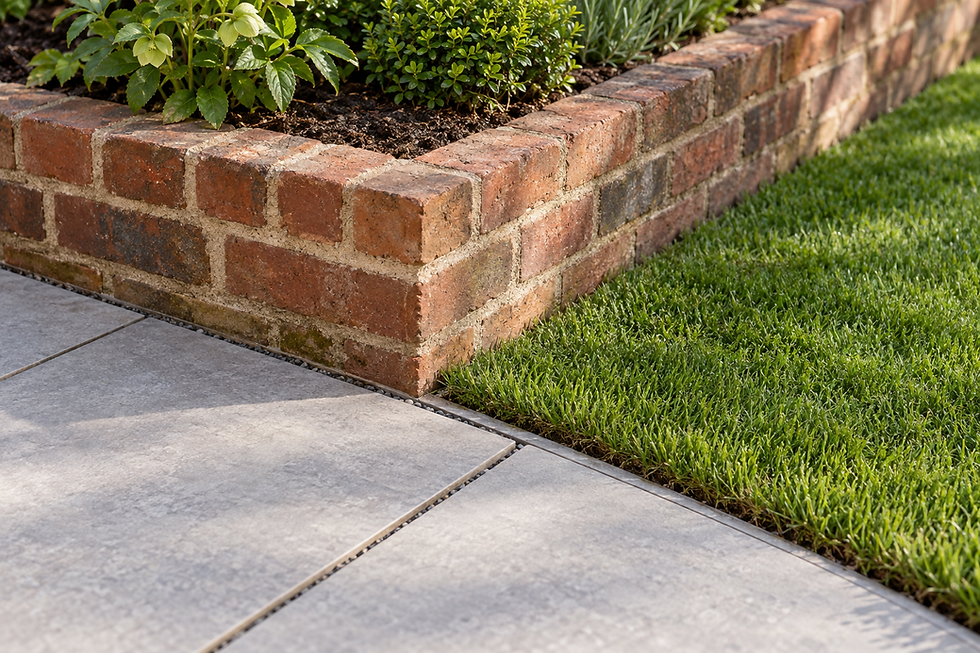
A garden can become hard to use without needing a completely new identity. Paving may have shifted, the lawn may stop at an awkward angle and an old planter may still be perfectly sound. We inspect surfaces, boundaries, levels, drainage and timber features before deciding what to retain, repair or replace. A garden renovation in Southsea can improve the layout and reduce upkeep while making sensible use of existing elements. This keeps the project focused on the parts causing trouble, rather than removing sound work merely because it isn't new.
A clear sequence with realistic timing
A medium-sized full renovation is generally completed in around 10 working days. We usually begin with clearance and excavation, then prepare the ground before constructing hard-landscaped features and laying final surfaces. Weather, access, hidden ground conditions and project complexity can alter the programme, so we review these factors before confirming the plan. We work efficiently and keep the site organised, but don't shorten preparation to win back a day. Bases, falls and fixings still need to be right.
Frequently asked questions
How long does a medium-sized renovation take?
We generally complete a medium-sized full garden renovation in around 10 working days. The actual programme depends on access, weather, excavation, drainage and the complexity of the surfaces or structures included.
Is renovation different from a full transformation?
Yes. Renovation focuses on renewing a tired or damaged garden while retaining useful features and much of the existing arrangement. A transformation usually involves broader redesign, more constructed elements and a larger change to the layout.
How do you decide what can stay?
We check the condition, levels and practical effect of existing paving, walls, lawns, boundaries and timberwork. A feature can stay when it remains sound and fits the proposed drainage, access and finished layout without creating a weak point.